




Agoraphobia
Agoraphobia
Agoraphobia: More Than Fear of Open Spaces — And Why Recovery Is Possible
Agoraphobia is often misunderstood. Many people think it simply means being afraid of open spaces. In reality, agoraphobia is much more complex, much more personal, and much more challenging than that.
For the people living with it, agoraphobia is not about avoiding places. It is about trying to feel safe in a body and mind that constantly feels under threat.
And most importantly — it is not permanent.
With the right understanding and support, people with agoraphobia can and do recover.
What Is Agoraphobia Really Like?
Agoraphobia usually develops around fear of anxiety and panic attacks.
Many people with agoraphobia are not afraid of the outside world itself. They are afraid of what might happen to them when they leave home.
They may fear:
Having a panic attack in public
Feeling dizzy, weak, or faint
Losing control
Being unable to escape
Being judged or embarrassed
Not getting help in time
For some, even the thought of leaving home brings intense anxiety.
This fear becomes so strong that staying inside starts to feel like the only safe option.
Common Experiences of Agoraphobia
Agoraphobia looks different for everyone, but many people experience:
Panic attacks when trying to go out
Feeling dizzy or disconnected
Shaking, sweating, or nausea
A racing heart
Feeling unsafe in their body
A strong urge to return home
Fear of crowds, shops, transport, or open spaces
Some people can still leave home but only within a very small “safe zone.” This might be a few streets, a local shop, or a short drive.
Others become completely housebound.
When Home Becomes the Only Safe Place
For many people with agoraphobia, home becomes their safe base.
It is the one place where they feel:
In control
Calm enough to breathe
Less likely to panic
Protected from embarrassment
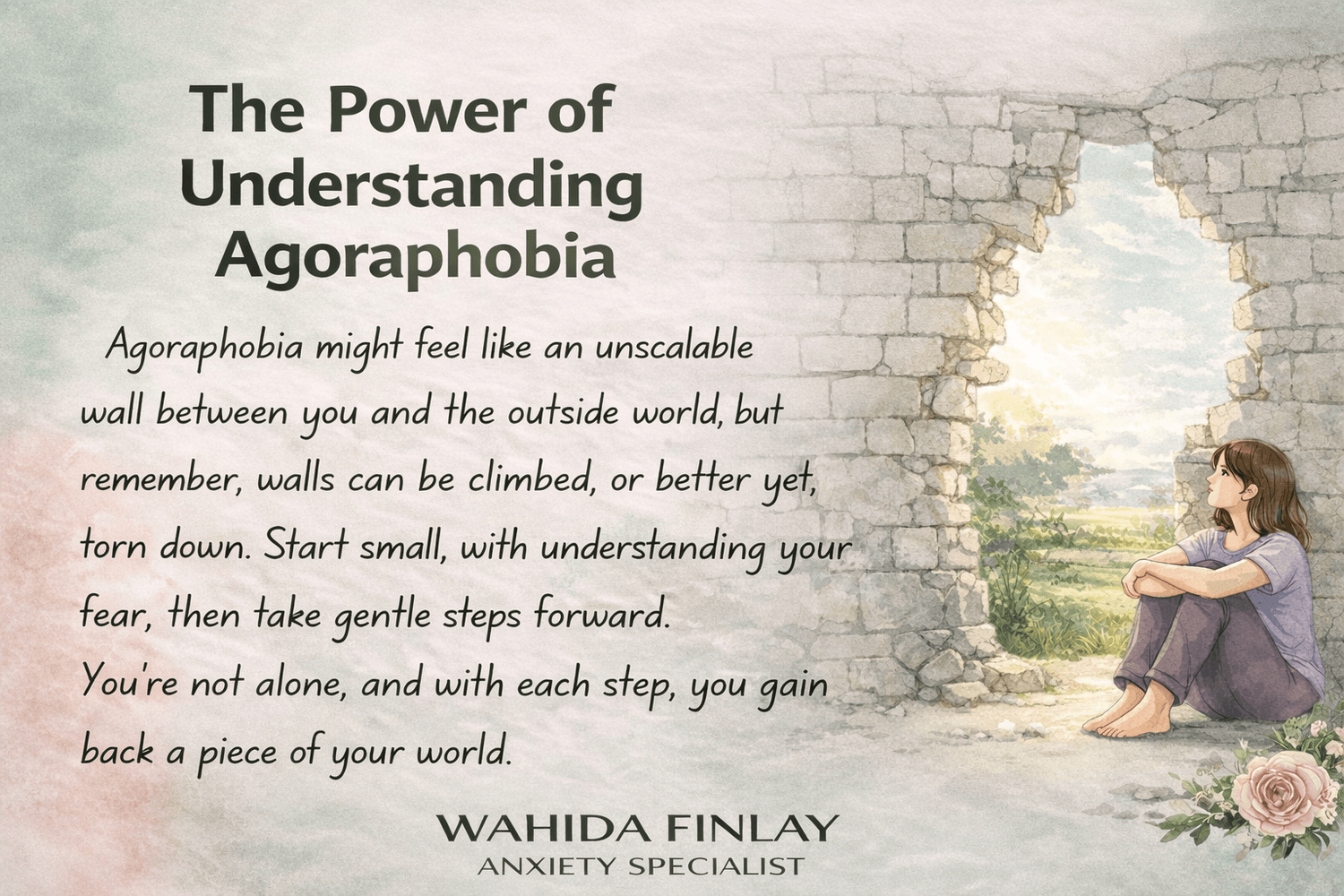
Over time, this safety can turn into a prison.
Some of my clients have lived with agoraphobia for 25, 30, even 40 years. They have missed holidays, family events, careers, relationships, and everyday freedoms.
Not because they were weak....
Because they were trapped in fear.
“I Don’t Feel Safe in My Own Body”
One of the hardest parts of agoraphobia is the loss of trust in your own body.
Many people tell me:
“I don’t feel safe if I’m far from home.”
“My body feels unpredictable.”
“I’m scared it will let me down.”
“I don’t trust myself anymore.”
When panic has happened before, the mind learns to watch for it constantly.
Every sensation becomes a threat.
Every change feels dangerous.
Every outing feels risky.
This creates a cycle of fear that keeps people stuck.
Agoraphobia Is Not a Life Sentence
This is something I want to say clearly:
Agoraphobia is not permanent.
Even if you have lived with it for decades.
Even if you feel completely stuck.
Even if you have tried things before that didn’t work.
With the right support, recovery is possible.
But “right support” matters.
Working with someone who truly understands panic, anxiety, and agoraphobia makes a huge difference.
How I Help People With Agoraphobia
I have worked with many people living with agoraphobia — including those who were housebound for years and those who could only travel within a small radius of home.
I understand that agoraphobia is not just about going outside.
It is about:
Calming the nervous system
Rebuilding trust in the body
Reducing fear of panic
Changing anxious thinking patterns
Feeling emotionally safe again
Learning confidence step by step
My approach is gentle, compassionate, and tailored to each person.
There is no forcing.
No pressure.
No judgement.
Only support, understanding, and practical tools.
Real People, Real Recovery
Many of my former clients now live full, happy, independent lives.
They travel.
They socialise.
They work.
They enjoy freedom again.
Some of them once believed they would never leave home.
Now they go anywhere they choose.
I also have video case studies showing their journeys — real people who once felt trapped and now live without fear controlling them.
Their stories show that change is possible.
Why Understanding Matters in Recovery
Agoraphobia needs more than “just face your fears.”
People recover best when they feel:
Truly understood
Emotionally safe
Supported at their pace
Encouraged, not pushed
Believed in
When someone understands panic and anxiety deeply, they know how to guide recovery without retraumatising or overwhelming you.
This is where real healing happens.
If You Are Living With Agoraphobia
If you are struggling with agoraphobia, I want you to know this:
You are not broken.
You are not weak.
You are not failing.
Your nervous system has been trying to protect you in the only way it knows how.
And it can learn a new way.
No matter how long you have been stuck.
No matter how small your world feels.
No matter how hopeless it seems right now.
Change is possible.
A Final Message of Hope
Agoraphobia can shrink your life.
But it does not have to define it.
With the right understanding, guidance, and support, people can rebuild confidence, trust their bodies again, and rediscover freedom.
I have seen it happen many times.
And I believe it is possible for you too.
If you are ready to take the first gentle step towards recovery, you do not have to do it alone 💛
How to get help for Agoraphobia
If you are living with agoraphobia and wondering if life can ever feel free again, I invite you to watch my masterclass below. In this session, I share how people I have worked with — including those who were once housebound — have rebuilt confidence, overcome fear, and now travel and live without anxiety controlling them. This masterclass will help you understand what is really keeping you stuck and show you the gentle, proven steps that can help you move forward at your own pace.
About Author
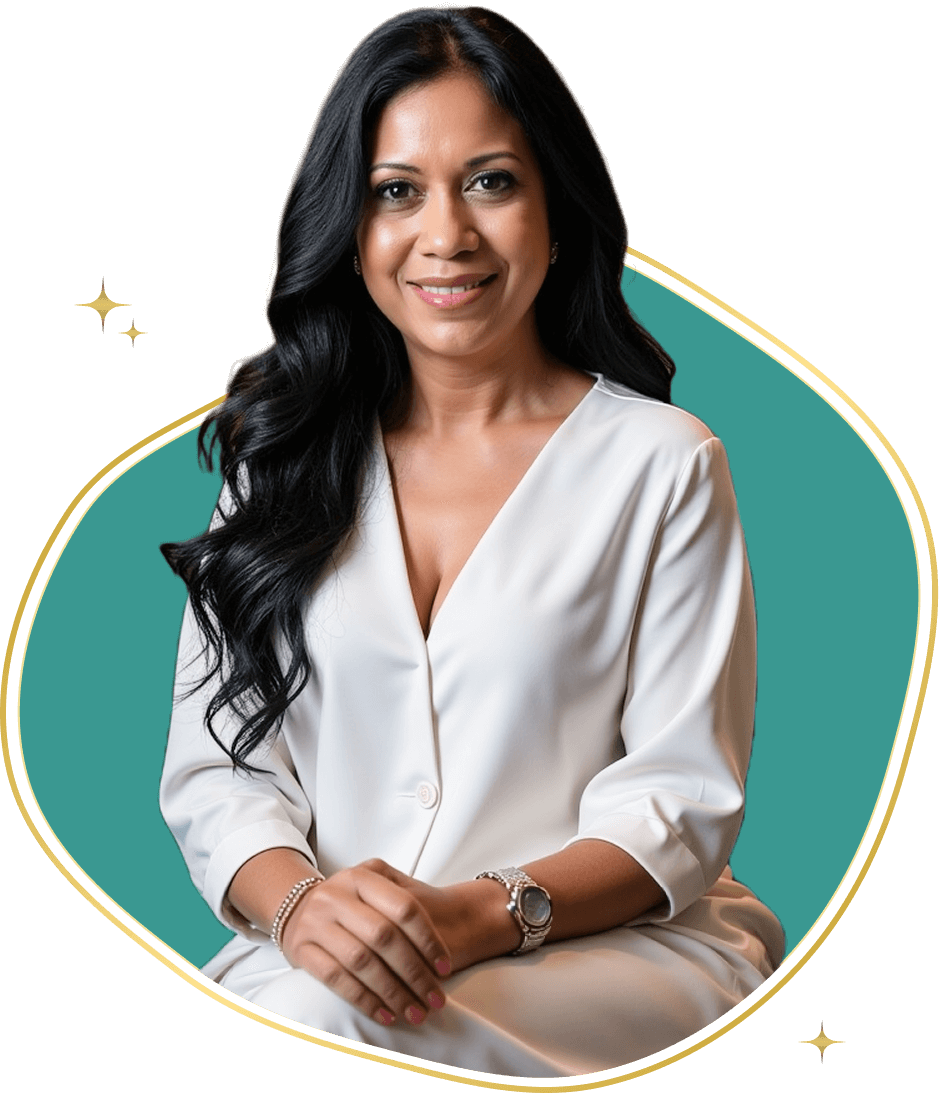
I’m Wahida Finlay, an Extreme Panic Attack & Agoraphobia Specialist and creator of the Gamma Brain Reset Method. For over 14+ years, I’ve helped 2000+ people overcome anxiety, panic, and trauma by retraining their brains to feel calm and safe again. Here, I share practical insights, tools, and science-backed methods to help you live with more peace and confidence, from the inside out.
If you’re new here, start with my Free Gamma Brain Reset Training, a simple, science-backed way to retrain your brain in 90 days without coping tools or medication.
Copyright © Wahida Finlay 2026. All Rights Reserved
For support, email me at hello@wahidafinlay.com
